
Robert Filliou
The artist who wanted to do it all and became a publisher
El País
Jan 6 -
Robert Filliou was an artist whose influence during the 60’s radically changed the way we viewed art by presenting it as a playful investigation that could take place across any medium, or not take place at all, existing as an unrealized idea. Filliou challenged the status of art as a finished product, bypassing the conventions of the art market in favor of the handmade, evanescent and indeterminate qualities of the continuing artistic process; his productions —named “artistic propositions”— include theatre plays, action-poems, street performances, happenings, object-poems, assemblages, multiples, mail art, books, texts, games, conceptual maps, installations, films and videos.
Filliou’s ideas and artistic strategies allowed for a critical stance towards both the pretensions of serious culture and economy of consumer capitalism. He thought of his works as instruments for our apprehension, tools of permanent creation and driving forces of change; art was not an end in itself and his propositions applied to everyday life, both social and politically.
Robert Filliou was born in Sauve, France in 1926. After serving in the resistance during World War II, he moved to Los Angeles, earning a Master of Economics at the University of California Los Angeles. In 1951-1954, he traveled to Japan and worked for the United Nations in South Korea, and there discovered the philosophies of Zen Buddhism that would change the course of his activities. He settled in Paris in 1959 where he met Daniel Spoerri who introduced him to his artistic circle. From 1969 to 1972, he lived in Düsseldorf, amidst a rich artistic scene including Dieter Roth, Dorothy Iannone, Marcel Broodthaers, and Joseph Beuys among others. In 1979, he moved to Dordogne close to a center for Tibetan studies. He died in Les Eyzies, France in 1987.
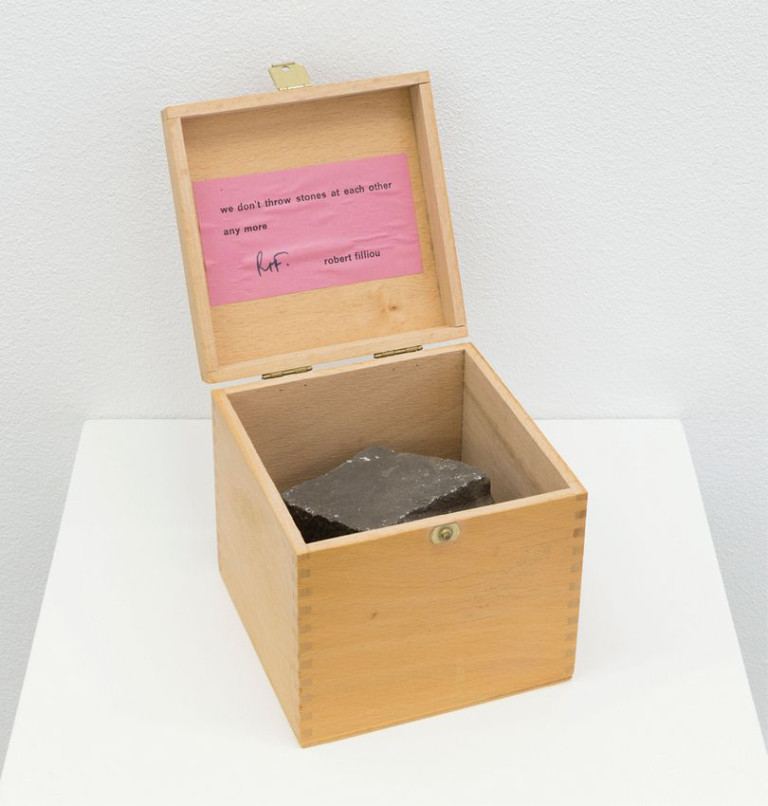
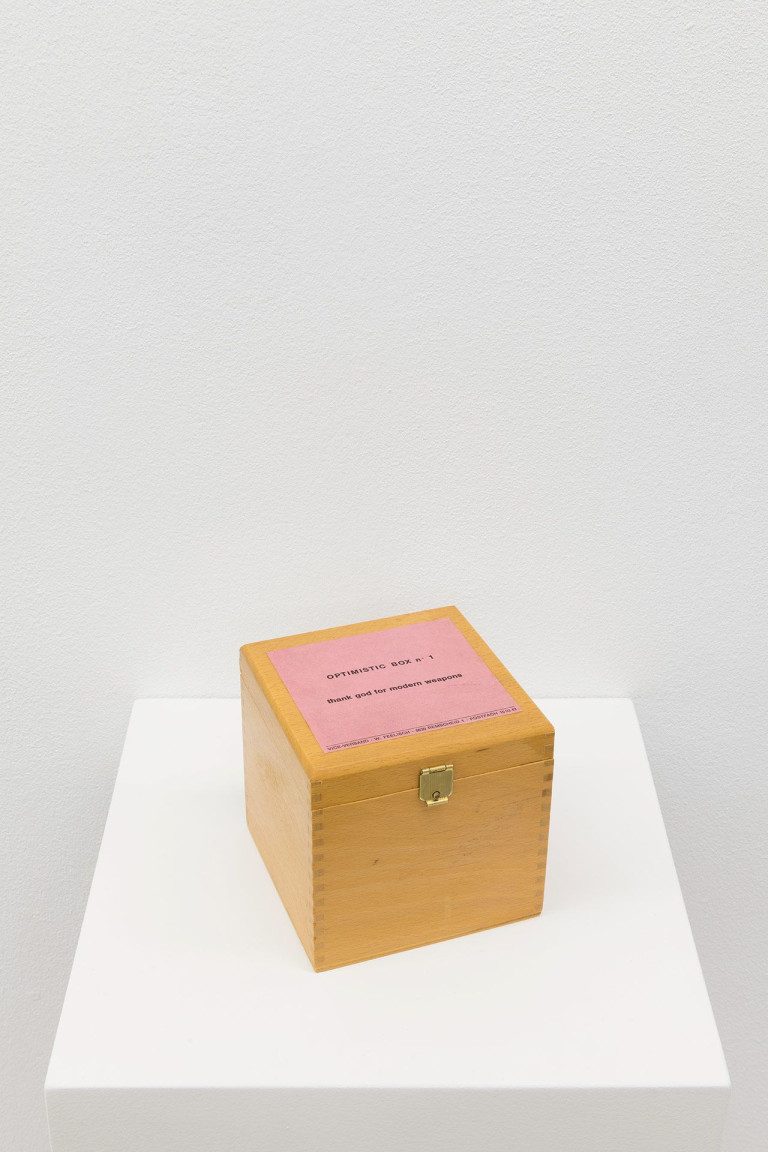
1968
Wood box with two printed labels, containing stone
11 x 11 x 10.5 cm (4 11⁄32 x 4 11⁄32 x 4 1⁄8 inches)
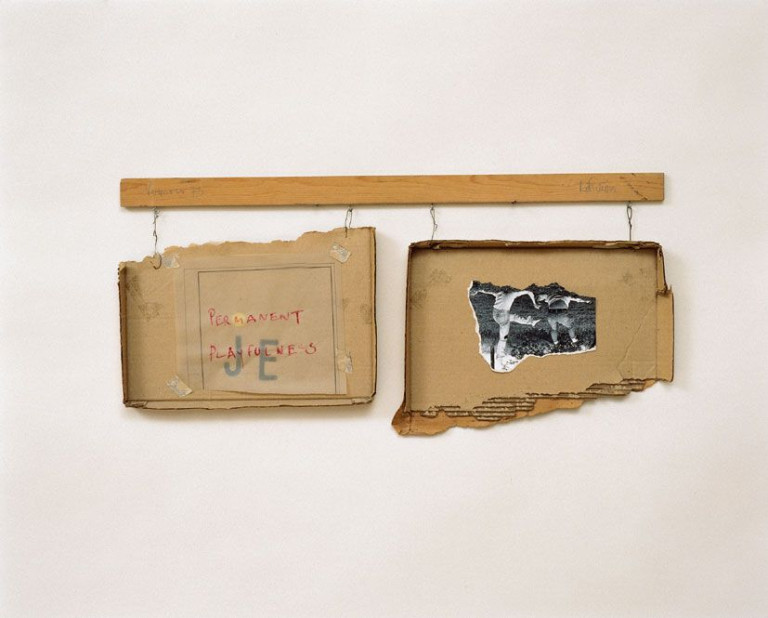
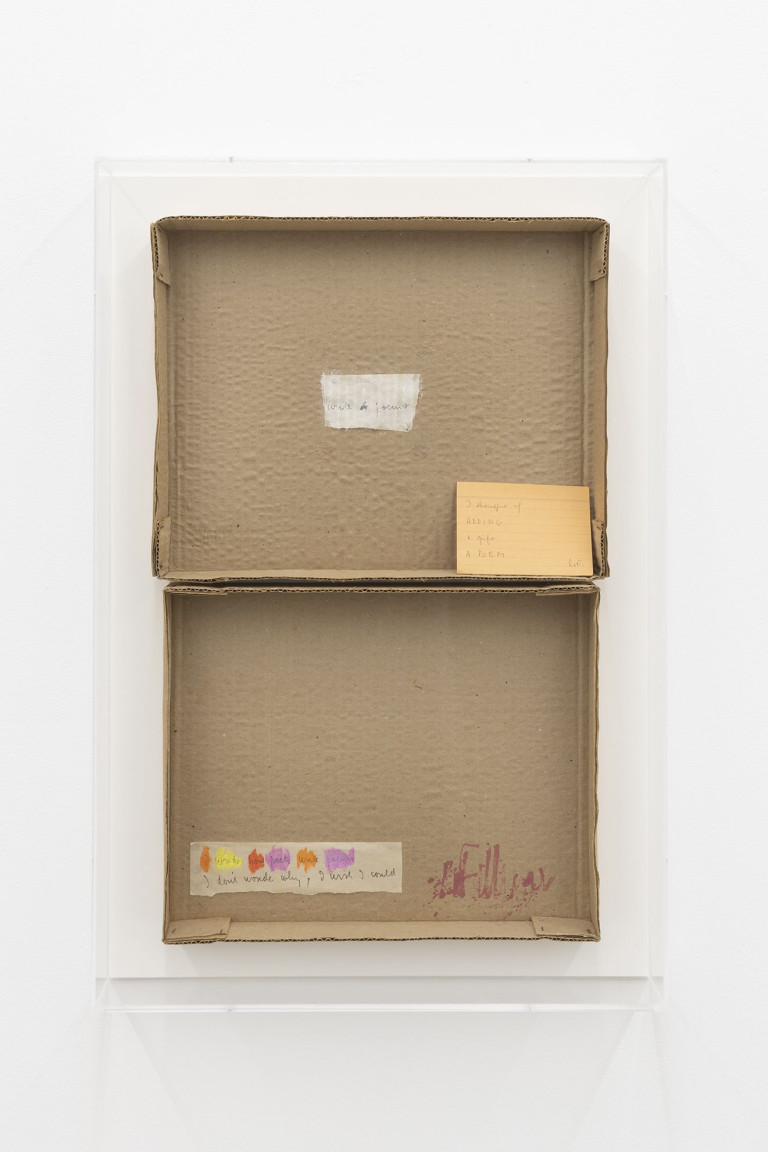
1975
Cardboard box, lead pencil, pastel and ink on paper, staples
27.2 x 34.5 x 5.2 cm (10 23⁄32 x 13 19⁄32 x 2 1⁄16 inches)
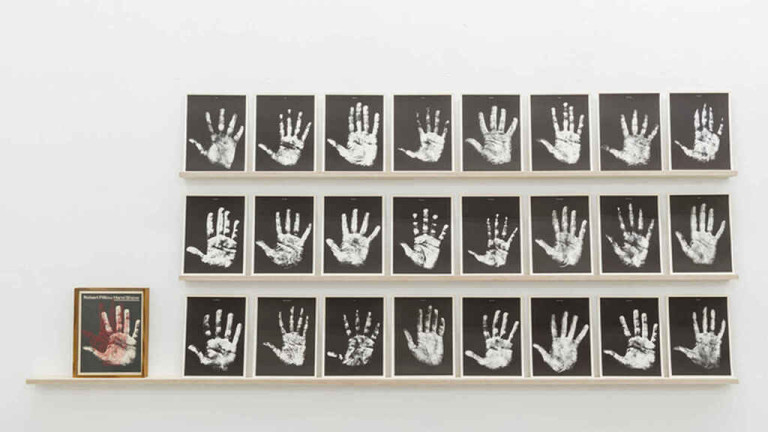
1967
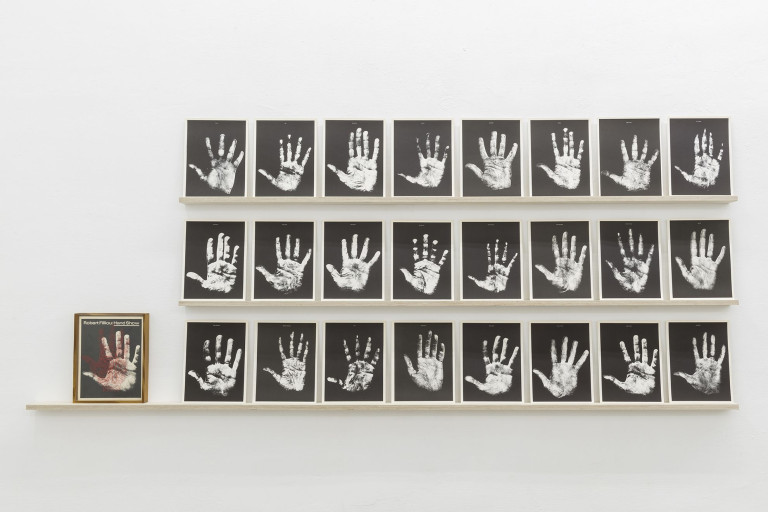
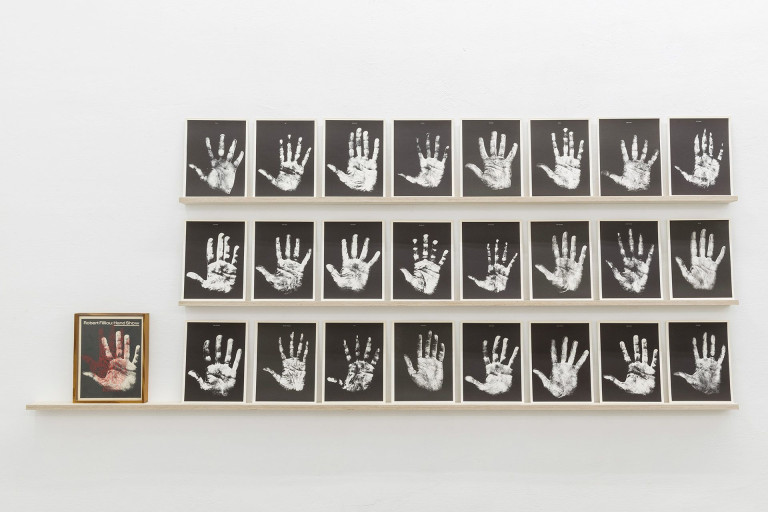
Edition – 24 black and white silkscreen prints in a wooden box with a serigrafied plexiglass cover
30 x 24.2 x 4 cm (11 13⁄16 x 9 17⁄32 x 1 9⁄16 inches)Ed. 150
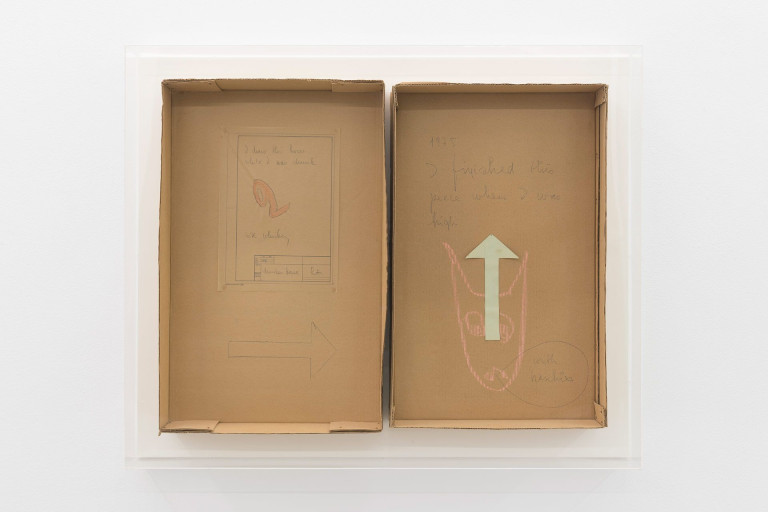
1972/1975
Cardboard box in two parts: collage, chalk drawing and text on inside base; pencil drawing and text on tracing paper on inside lid
80 x 97.5 x 15 cm (31 1⁄2 x 38 3⁄8 x 5 29⁄32 inches)
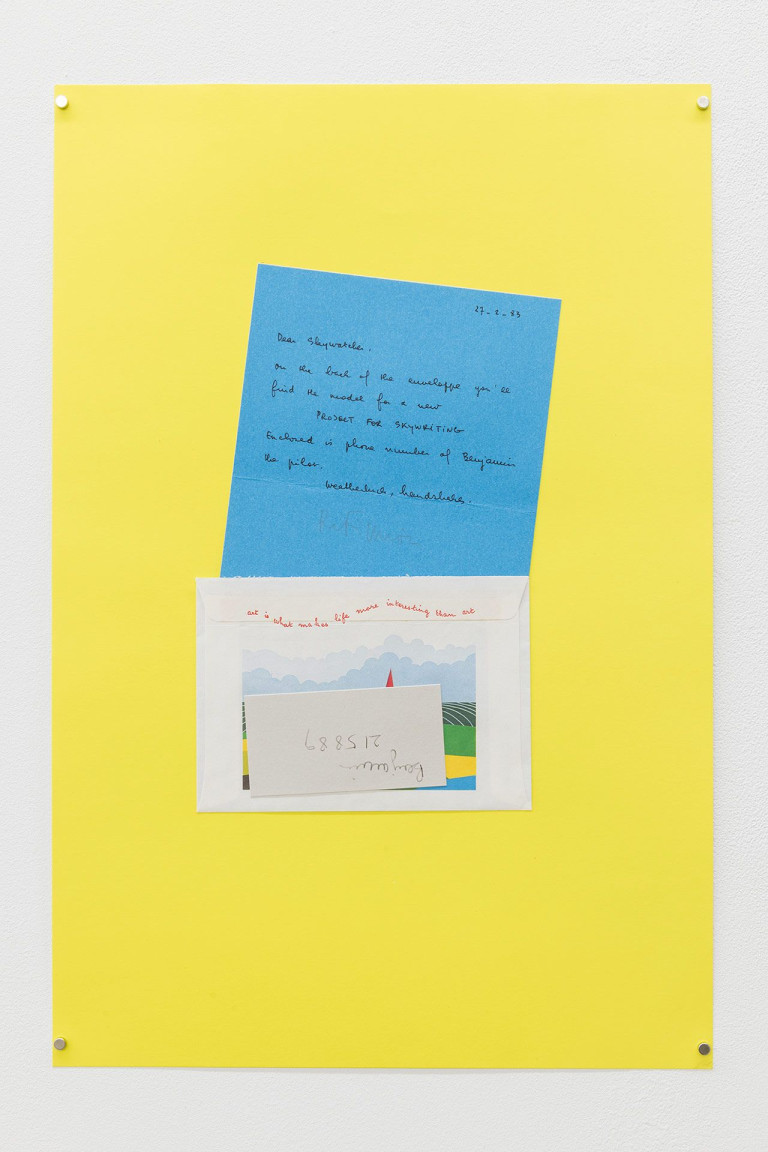
1984
Edition – Offset print on paper and collage on cardboard
48 x 32 cm (18 29⁄32 x 12 19⁄32 inches)Ed. 506
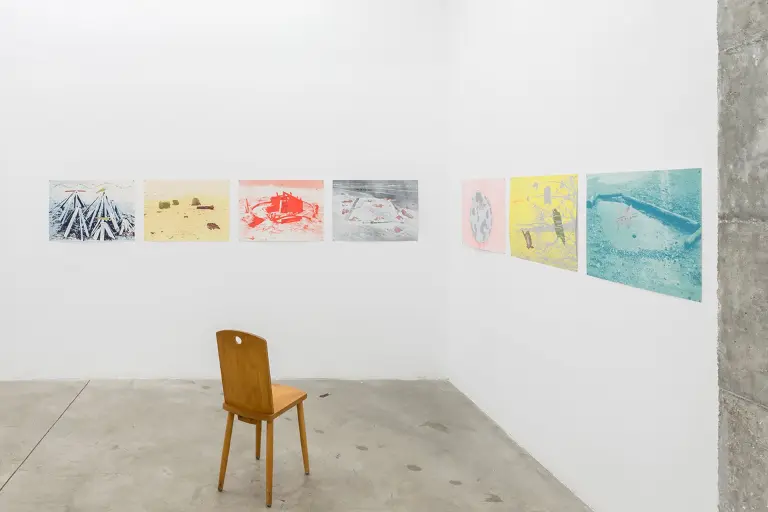
1971
Edition – Silkscreened cardboard portfolio with grey gummed canvas gusset containing 7 colour silkscreen prints on paper
55.2 x 75.2 cm (21 23⁄32 x 29 5⁄8 inches)Ed. 100
Drag