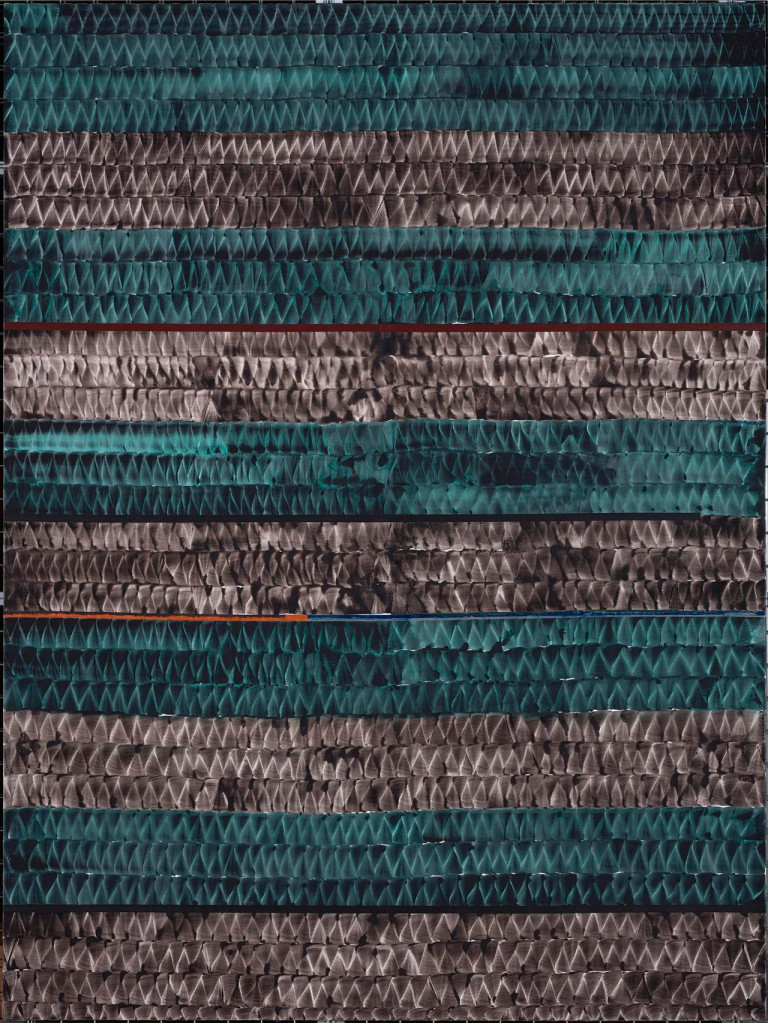
Juan Uslé, Antoni Tàpies
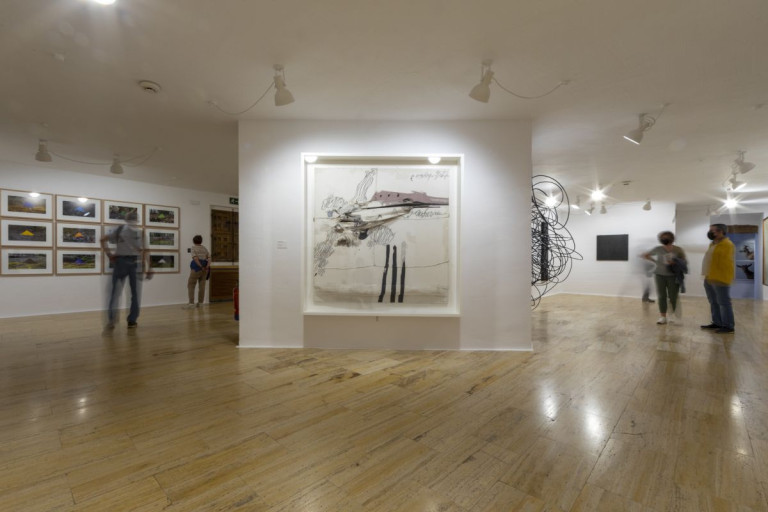
Obras maestras de la Colección Banco Santander
Faro Santander, Santander
Sep 8 - Jan 10, 2027
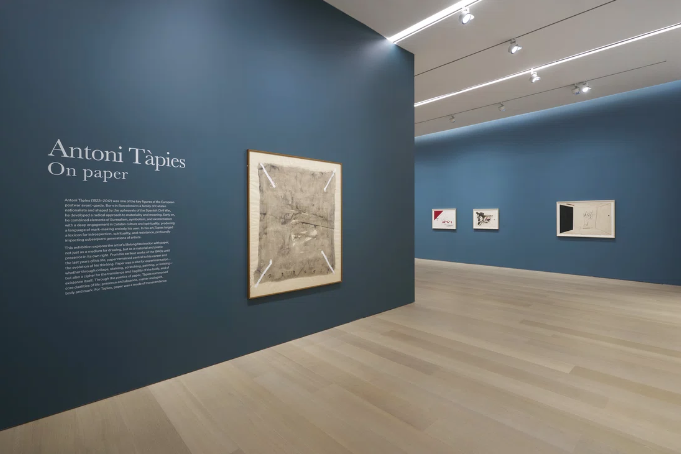
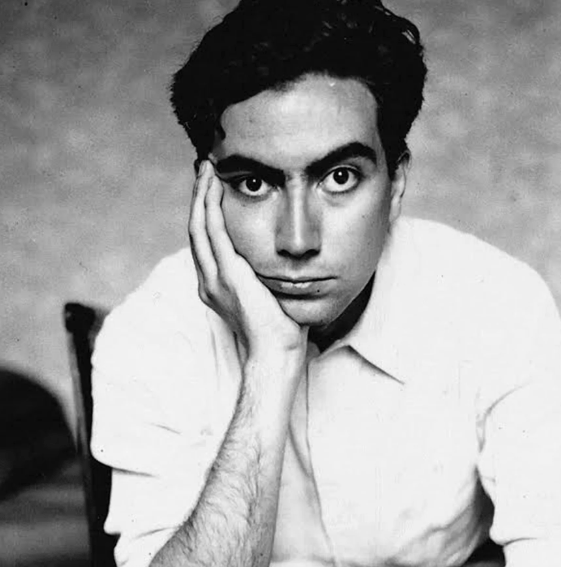
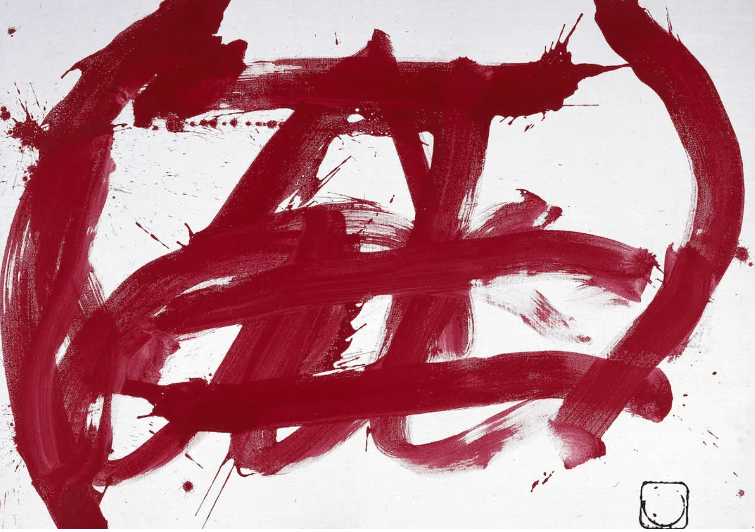
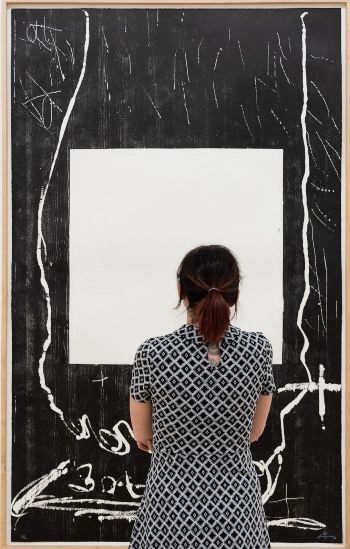
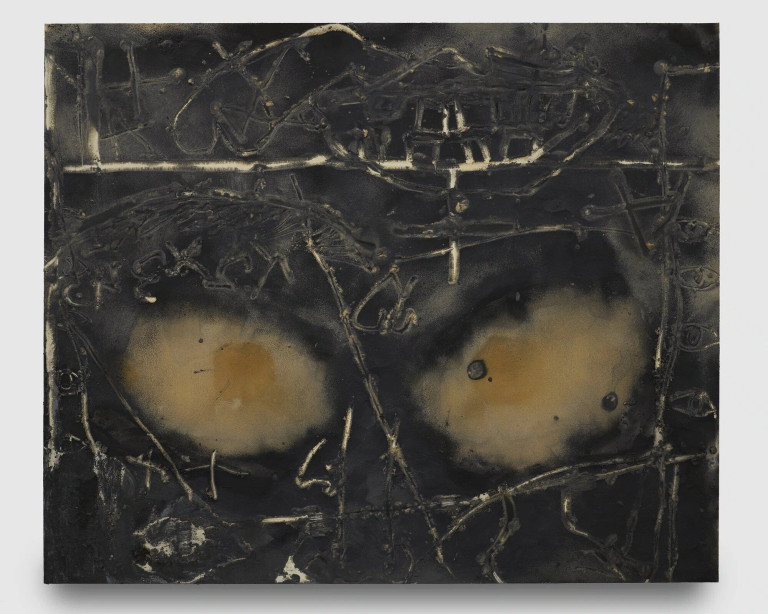
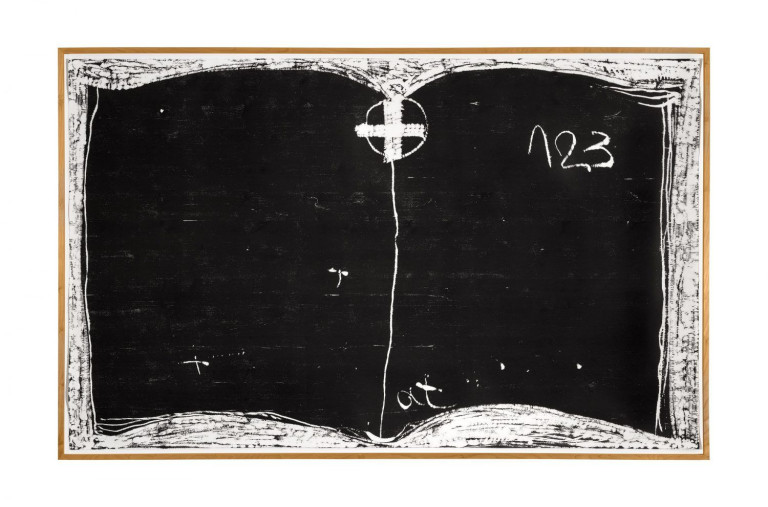
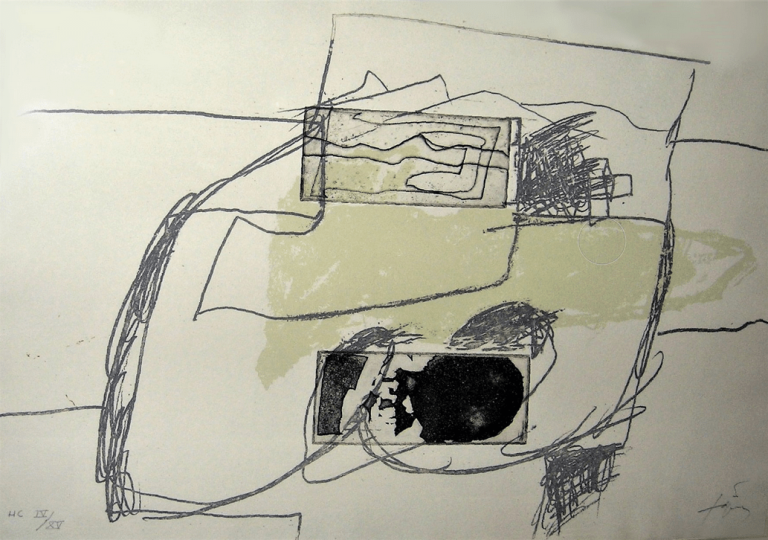
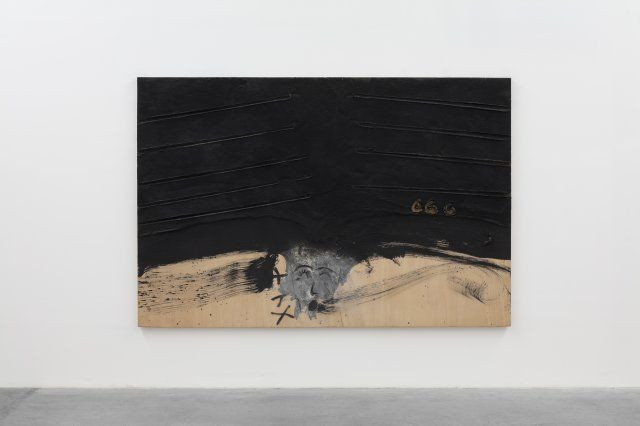
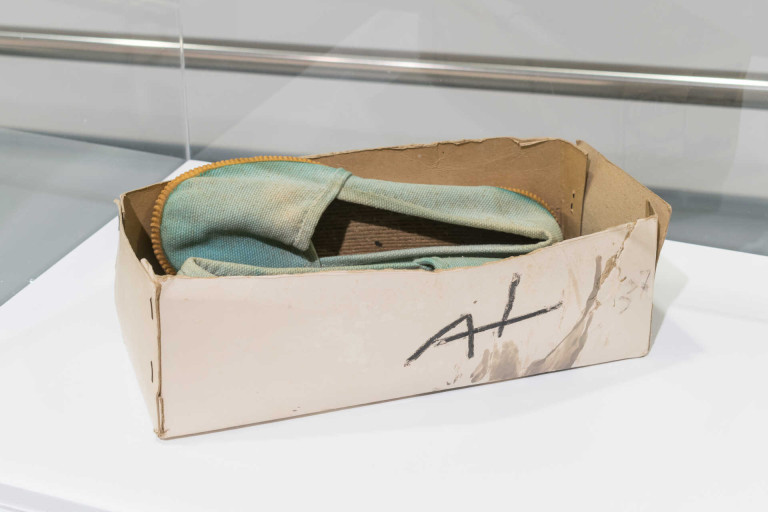
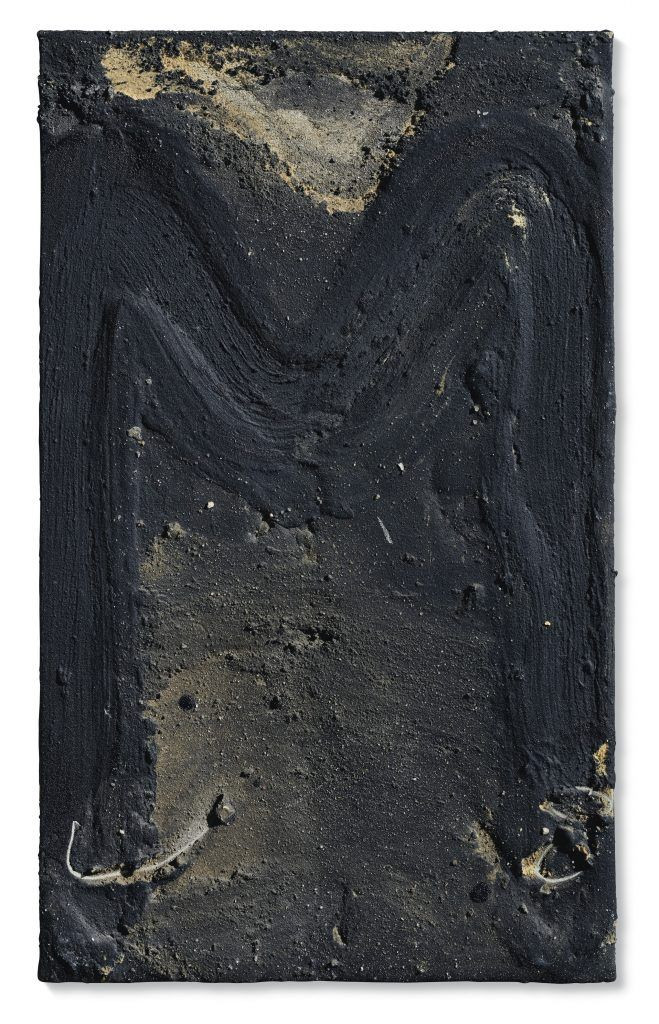
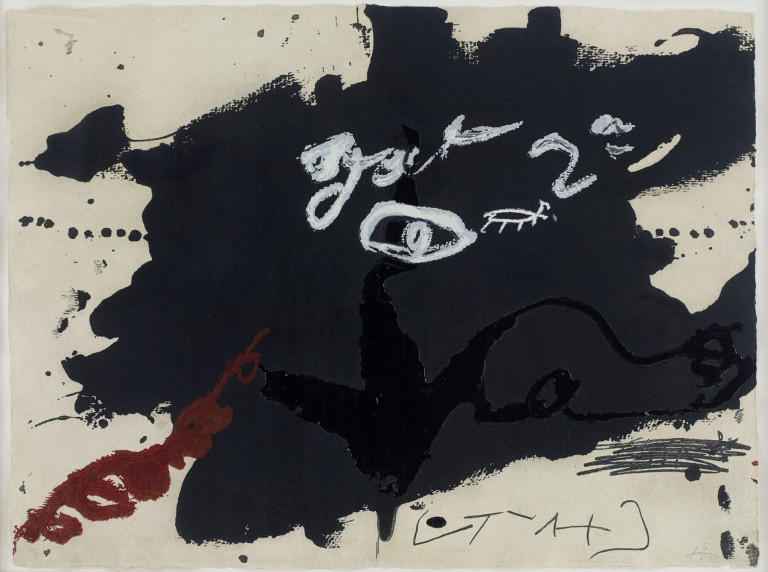
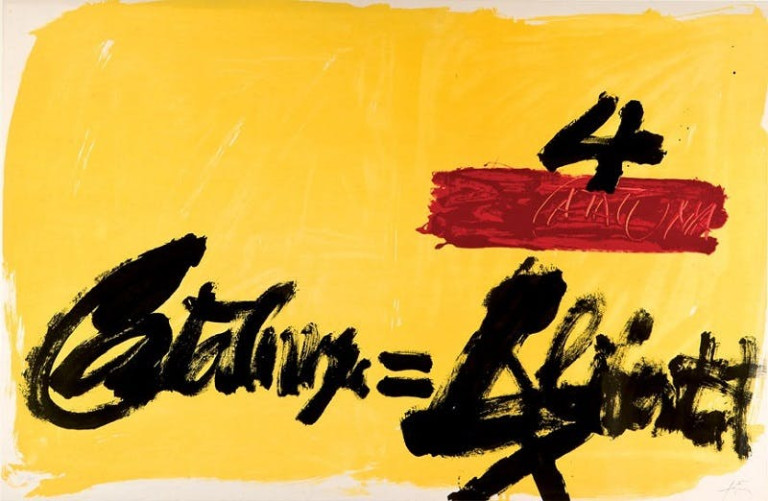
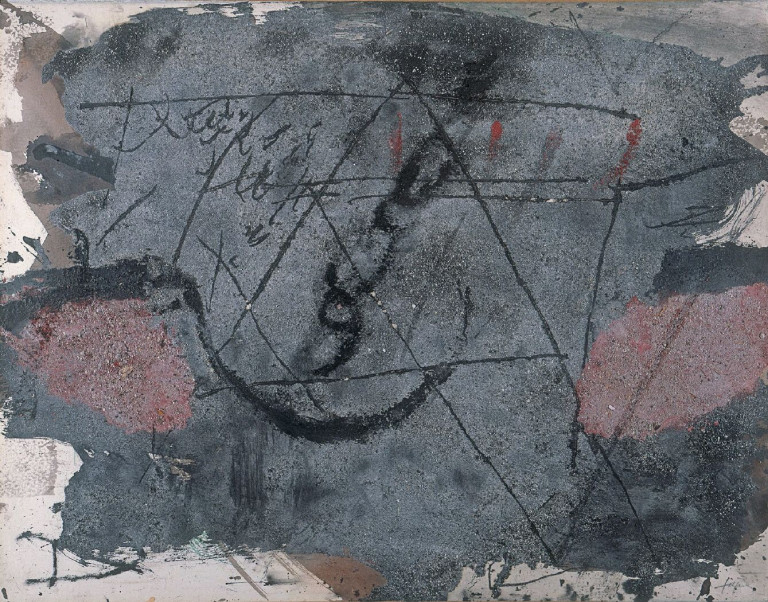
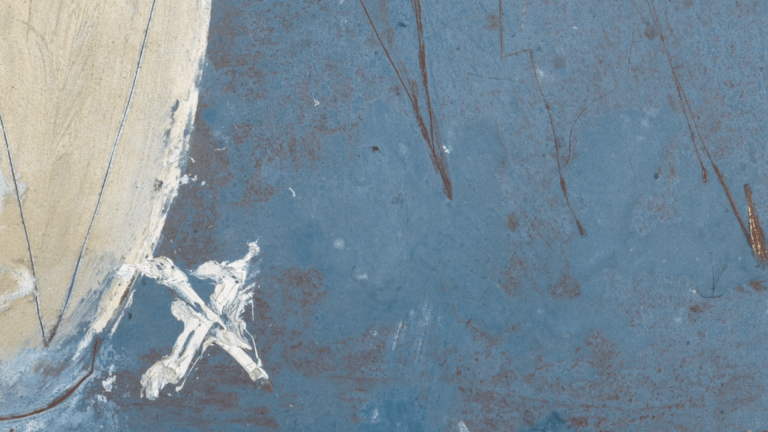
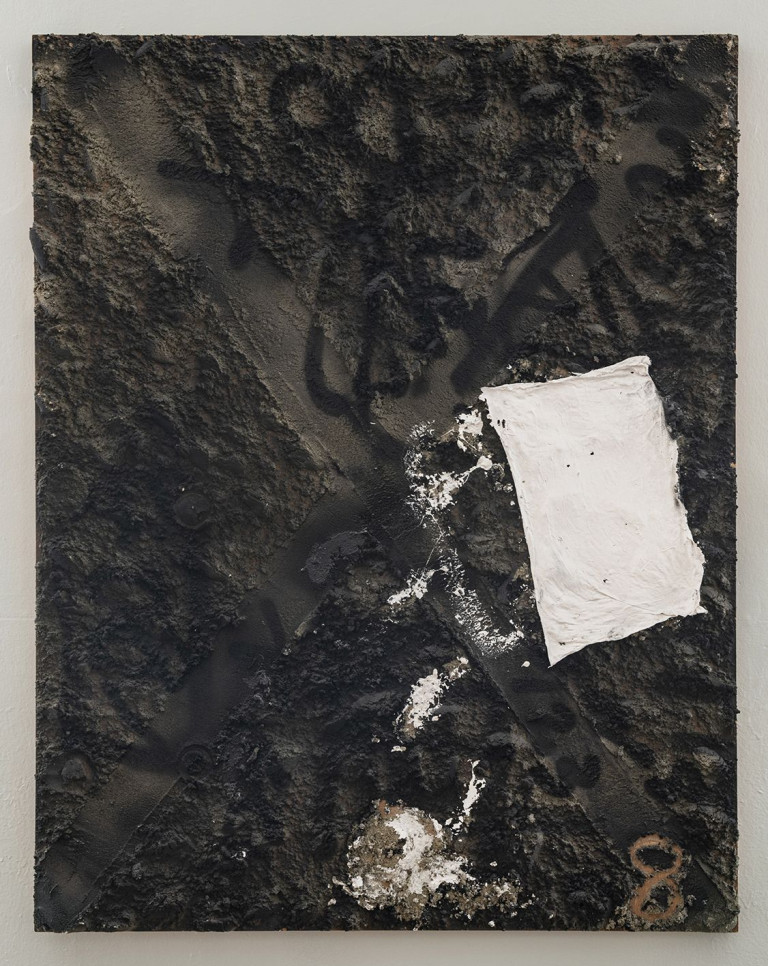
Antoni Tàpies (1923 - 2012, Barcelona, ES) was a painter, sculptor and theorist who became one of the most influential European artists of his generation. A self-taught artist, Tàpies constantly wrote and reflected on the human condition, his historical situation and artistic practice, particularly on the limits and contradictions of painting. Influenced by Miró and Klee, he became increasingly interested in iconographic and magical subjects. He gradually began to incorporate geometrical elements and colour studies leading to an interest in matter through the use of heavily textured canvases of great expressive and communicative possibilities. In the 1960s, he began incorporating new iconographic elements (writing, signs, anthropomorphic elements, footprints and references to the Catalan situation), and new technical methods (new surfaces, use of everyday objects and varnish). The start of democracy in Spain, and with it a new cultural reality, coincided with fresh materic investigations, the incorporation of varnish and the influence of Eastern spirituality — reflecting his multiple interests — which would give rise to more refined works elevated with great lyricism.
His works have been exhibited in Musée d’Art Moderne de la Ville de Paris in 1973 (FR), the Nationalsgalerie in Berlin in 1974 (DE), the Louisiana Museum of Art in 1974 (DK), the Hayward Gallery, London in 1974 (UK), the Seibu Museum of Art, Tokyo in 1976 (JP), the Museum of Contemporary Art in Chicago (US) and the Musée d’Art Moderne de Montreal, Quebec, in 1977 (CA), Stedelijk Museum in Amsterdam in 1980 (NL), Van Abbemuseum in Eindhoven in 1986 (NL), the Museo Nacional Centro de Arte Reina Sofía in Madrid in 1990, 2000 and 2004 (ES), the Guggenheim in NY in 1995 (US), the Guggenheim Museum in Bilbao in 2014 (ES) or the MNAC in Barcelona in 2013 (ES), among many others. On the occasion of the centenary of his birth, Antoni Tàpies. The Practice of Art, a retrospective curated by Manuel Borja-Villel was held at Bozar, Brussels, at the Museo Nacional Centro de Arte Reina Sofía in Madrid and at the Museu Tàpies in Barcelona. Also, the work of Antoni Tàpies is included in numerous public and private collections, including those of the Tate Gallery in the UK, MoMA in New York, the Galleria Nazionale d’Arte Moderna in Rome, the Musée d’Art Moderne and the Centre Georges Pompidou in Paris, the Stedelijk Museum in Amsterdam and the Museum of Contemporary Art in Los Angeles, amongst many others.
The many honours and prizes that Antoni Tàpies received over the course of his life include the Praemium Imperiale (JP) in 1990. In 1992, he was made an Honorary Member of the Royal Academy of Arts in London and of the American Academy of Art and Sciences in Cambridge, Massachusetts. Tàpies’ participation at the Venice Biennale in 1993 awarded him the Golden Lion for his installation Rin-Zen at the Spanish Pavilion. In parallel to his artistic production, Tàpies is also the author of numerous publications. In 1984 Antoni Tàpies created the Fundació Antoni Tàpies (now Museu Tàpies) in Barcelona, with the aim of promoting the study and knowledge of contemporary art.
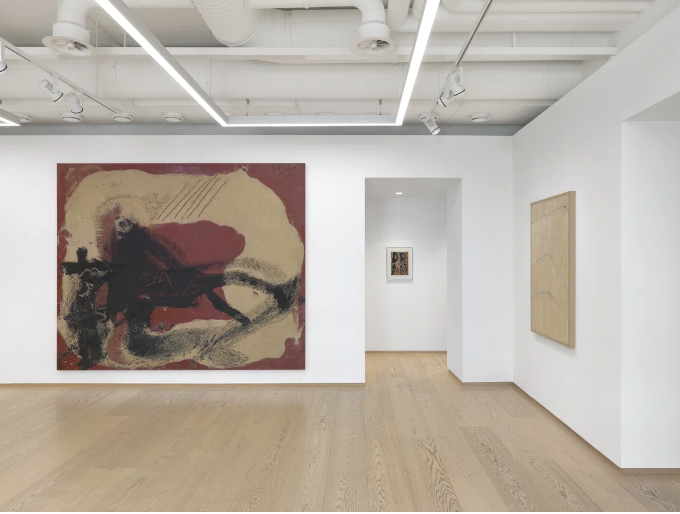
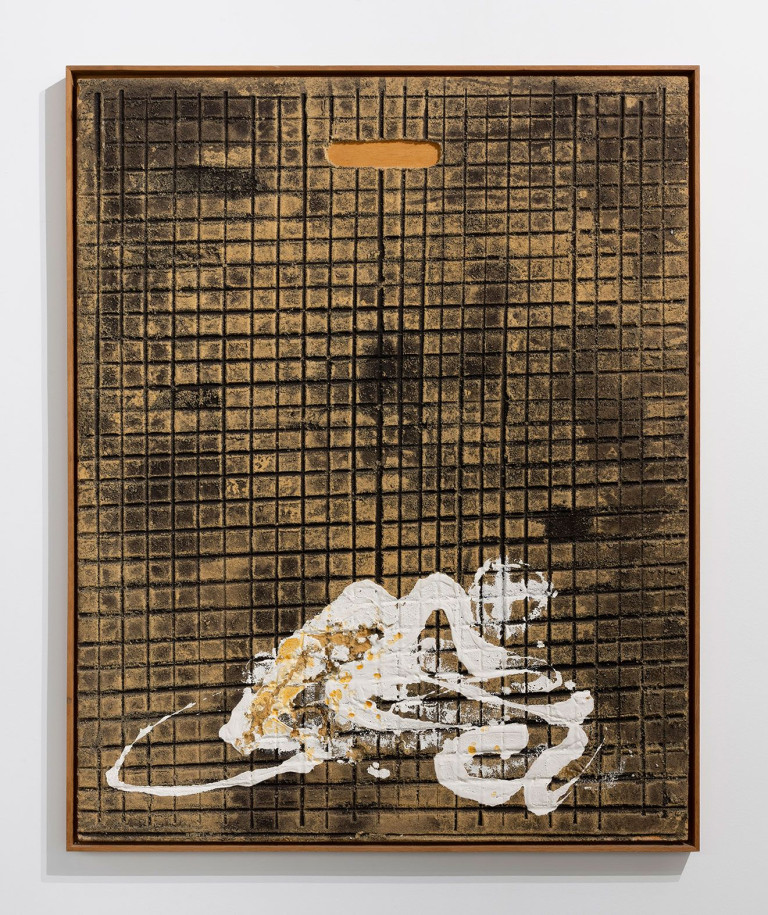
1990
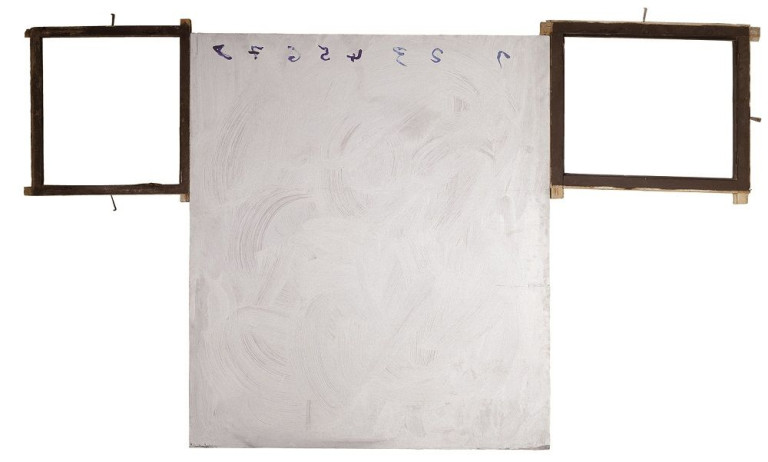
Mixed media on wood
162 x 130 cm (63 25⁄32 x 51 3⁄16 inches)
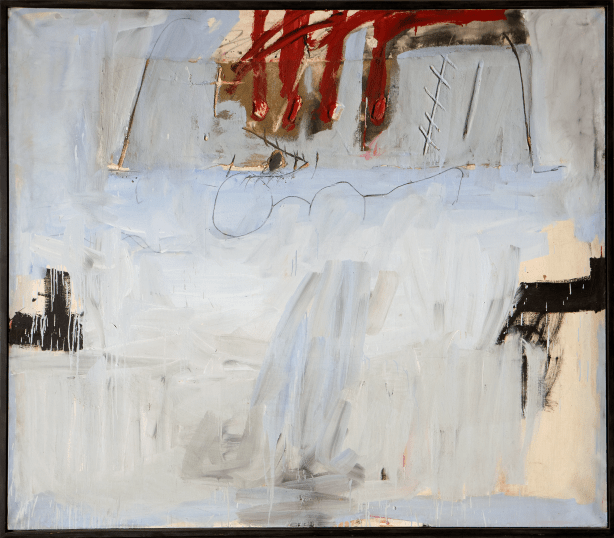
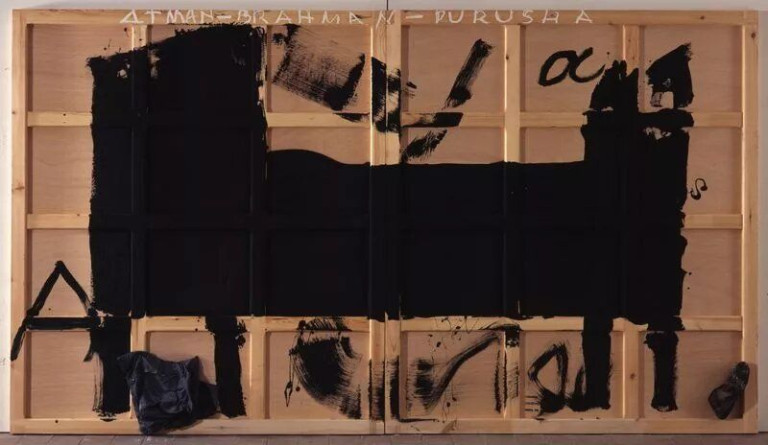
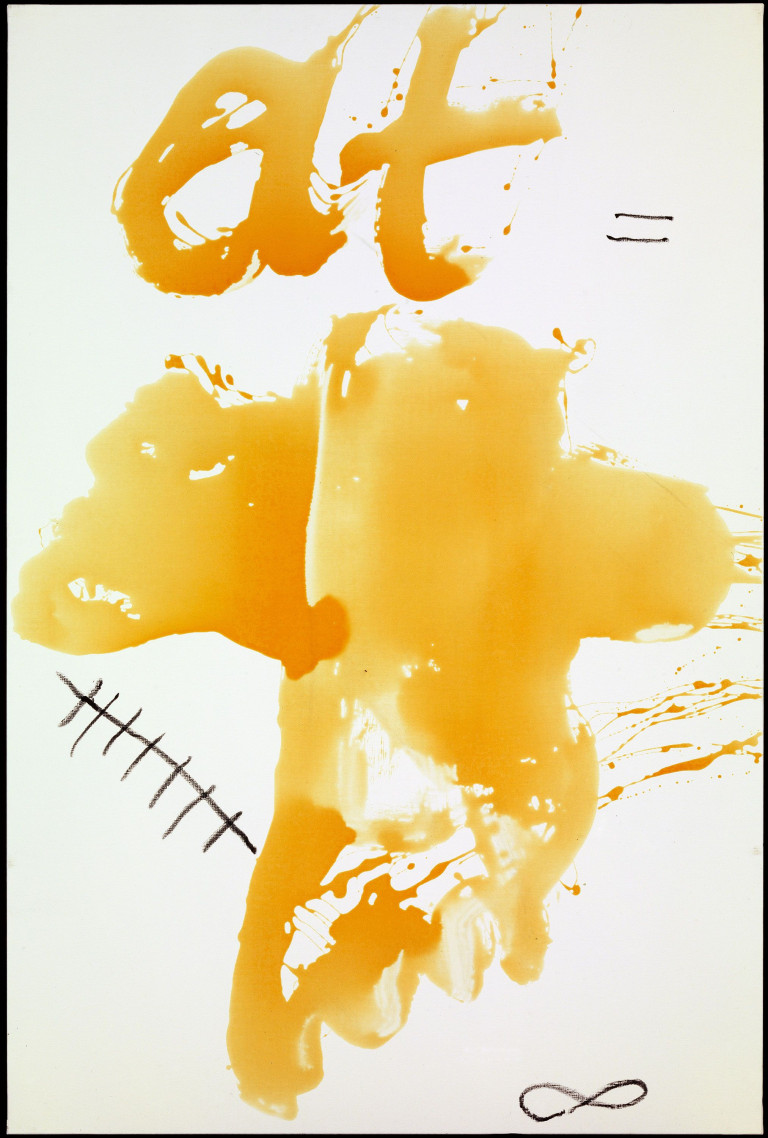
2007
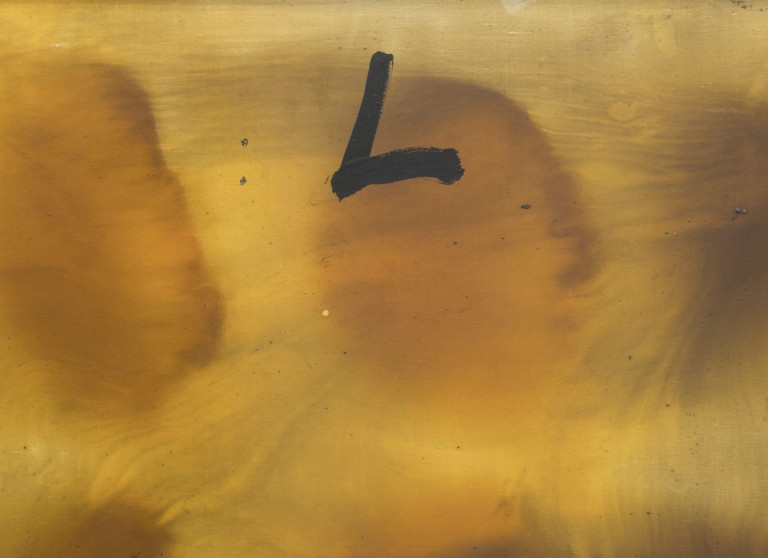
Varnish and crayon on canvas
195 x 130 cm (76 25⁄32 x 51 3⁄16 inches)
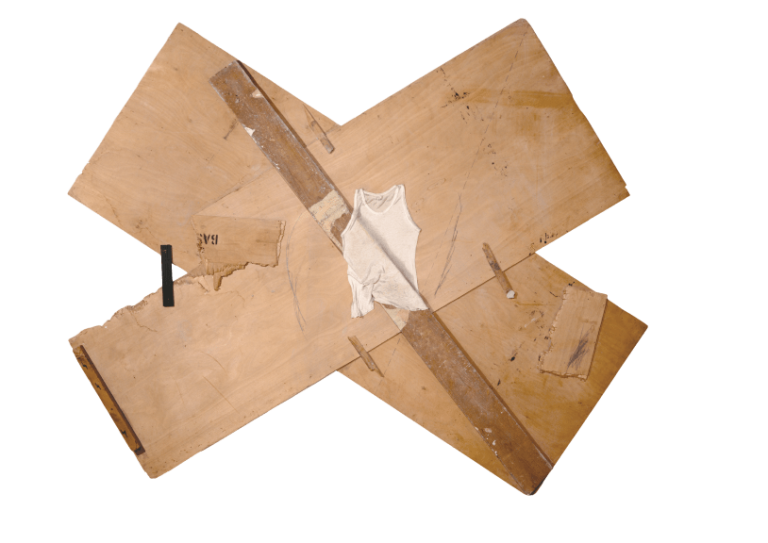
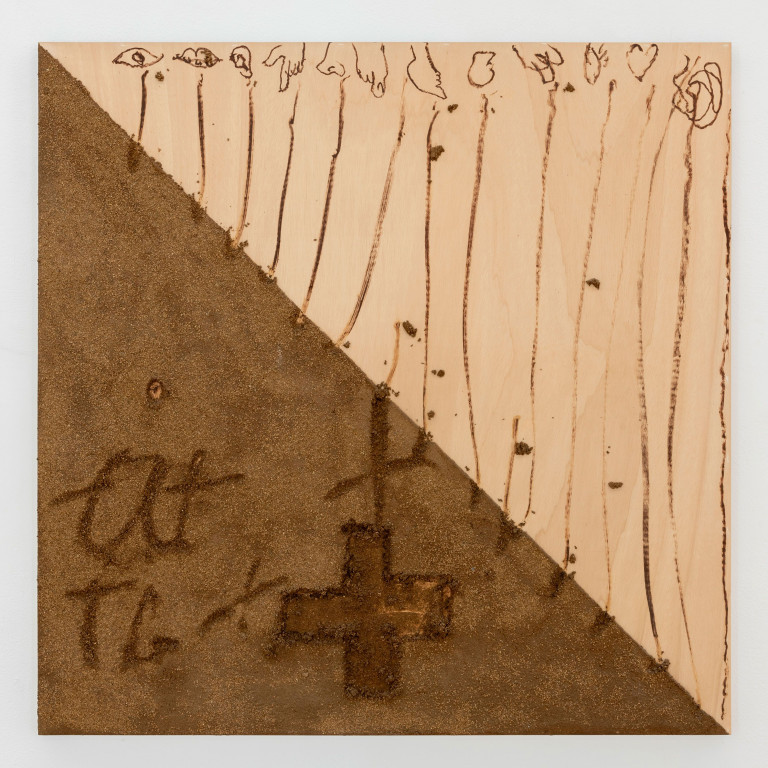
2007
Mixed media on wood
160 x 160 cm (63 x 63 inches)
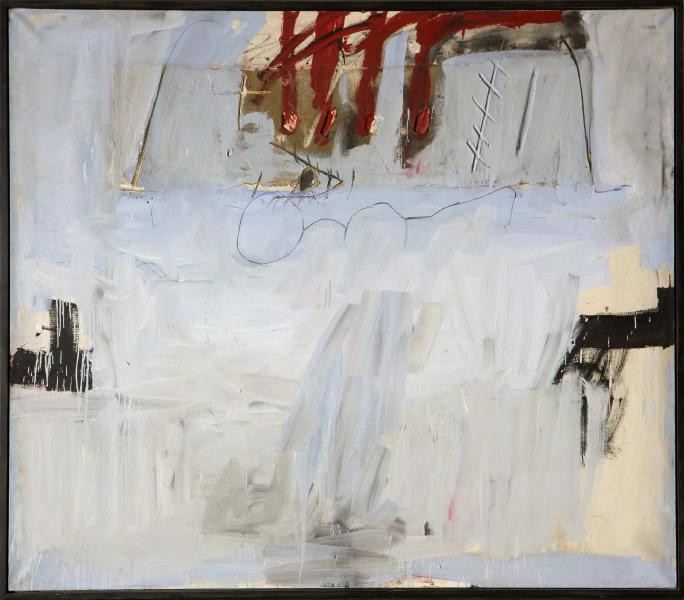
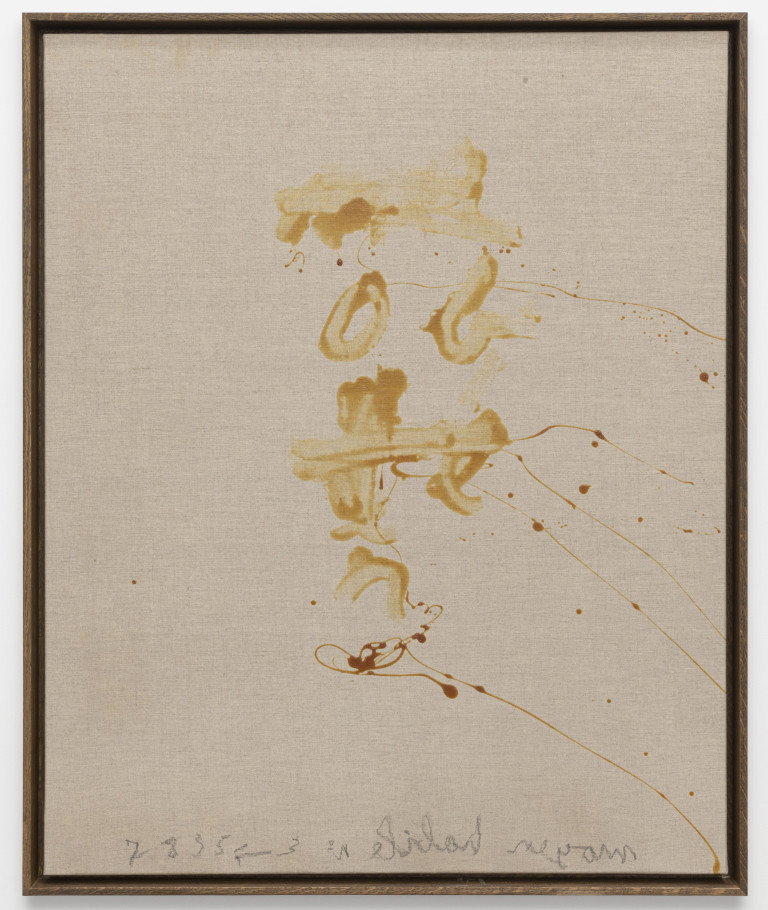
2007
Varnish and crayon on canvas
Unframed 100 x 81 cm (39 3⁄8 x 31 7⁄8 inches) Framed 102.5 x 83.5 x 5.5 cm (40 11⁄32 x 32 7⁄8 x 2 5⁄32 inches)
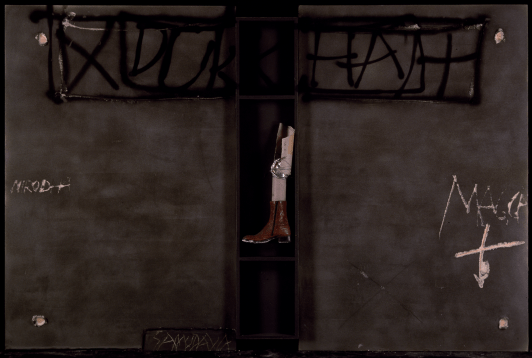
1992
Mixed media and collage on wood
146 x 114 x 10 cm (57 15⁄32 x 44 7⁄8 x 3 15⁄16 inches)
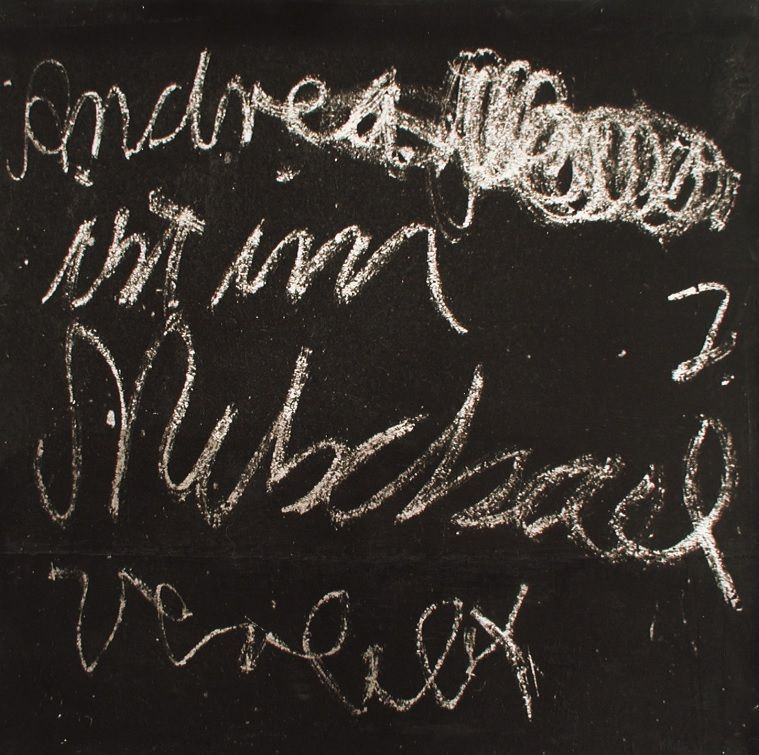
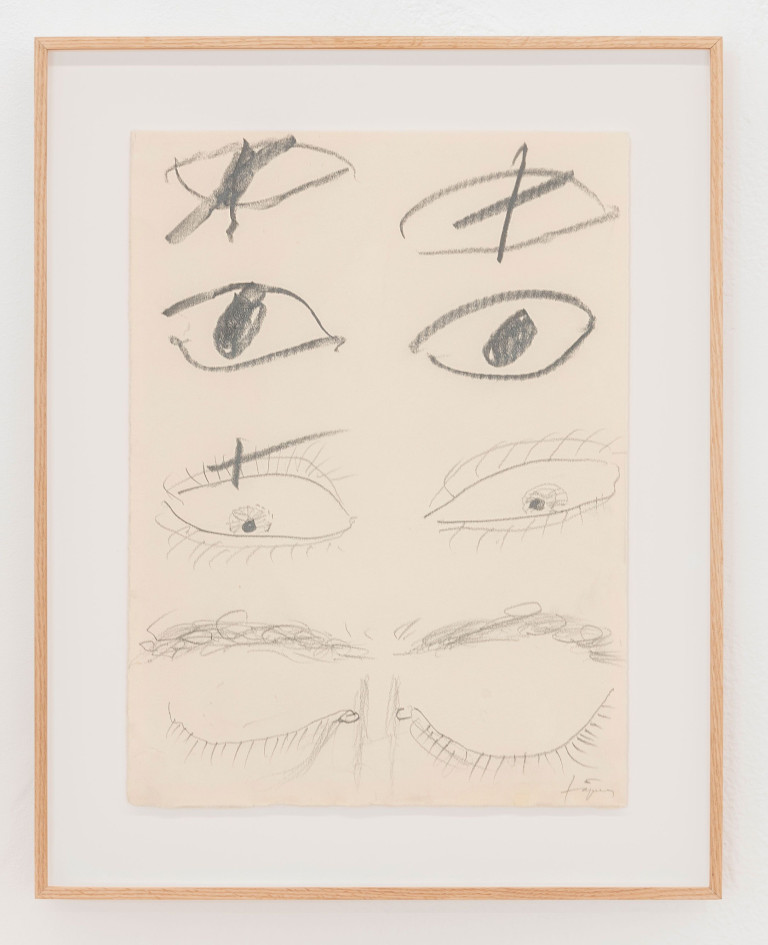
2002
Crayon on paper
53.5 x 39 cm (21 1⁄16 x 15 11⁄32 inches) framed 67.8 x 53.8 x 4 cm (26 11⁄16 x 21 3⁄16 x 1 9⁄16 inches)
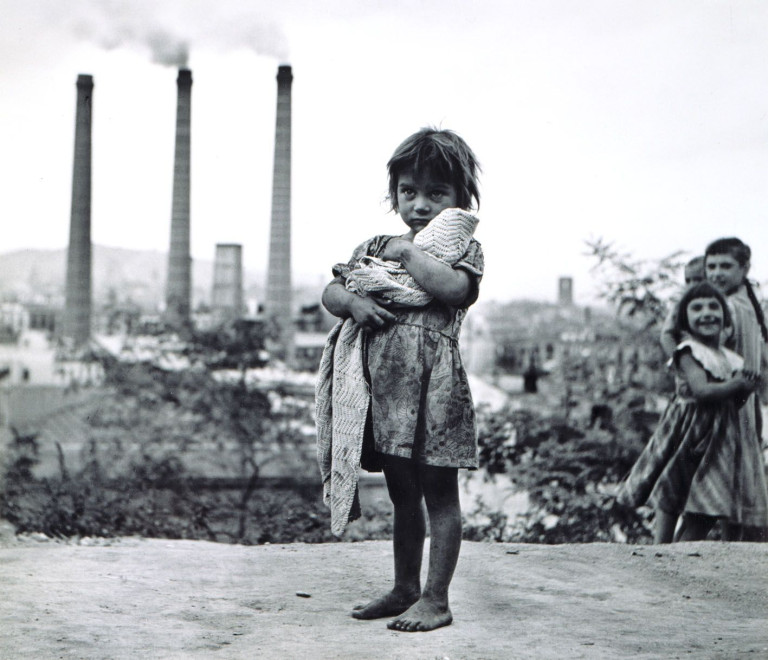
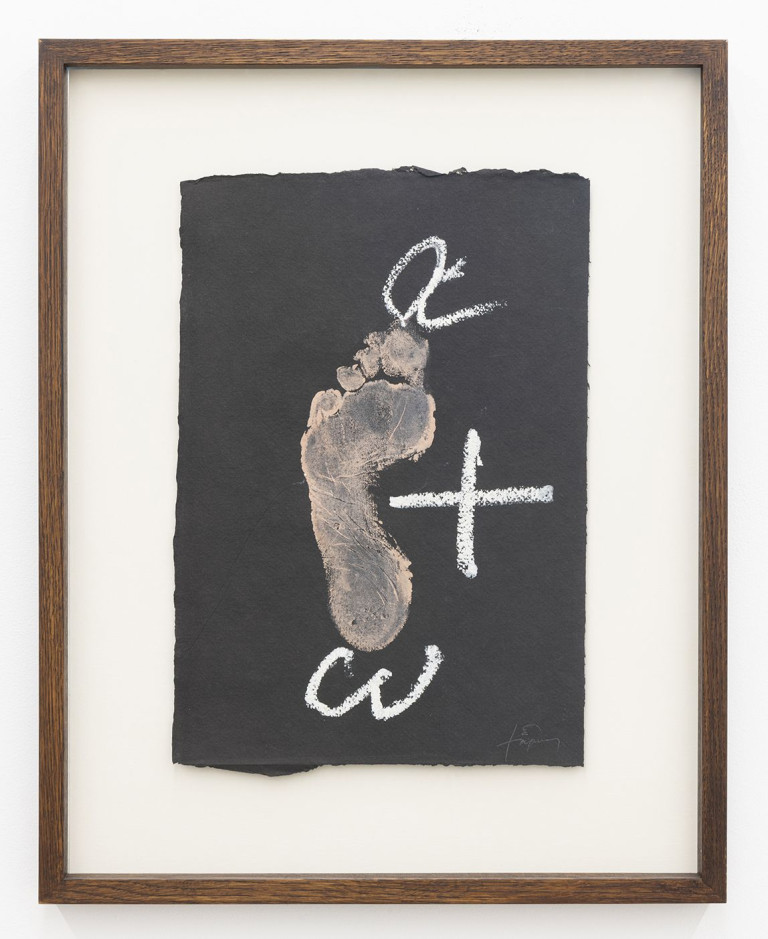
2004
Paint on paper
47.5 x 32.5 cm (18 11⁄16 x 12 13⁄16 inches) Framed 68 x 54 cm (26 25⁄32 x 21 1⁄4 inches)
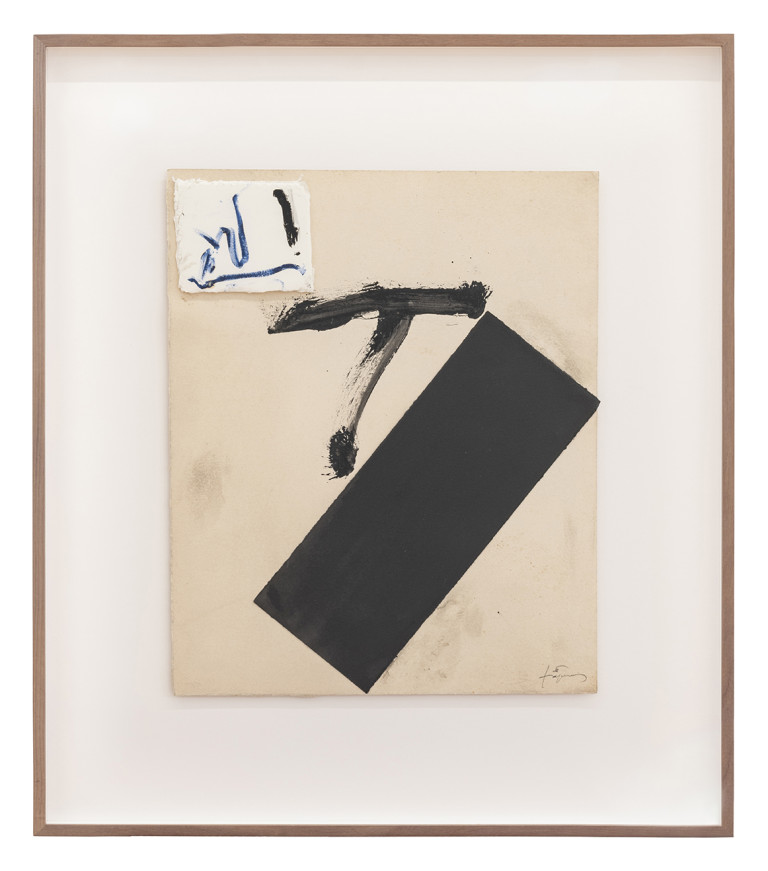
2004
Paint and collage on paper
43 x 35 cm (16 15⁄16 x 13 25⁄32 inches)
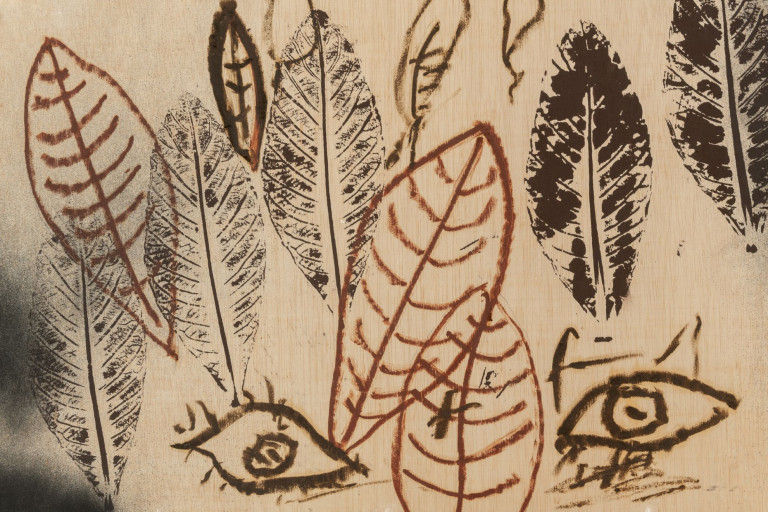
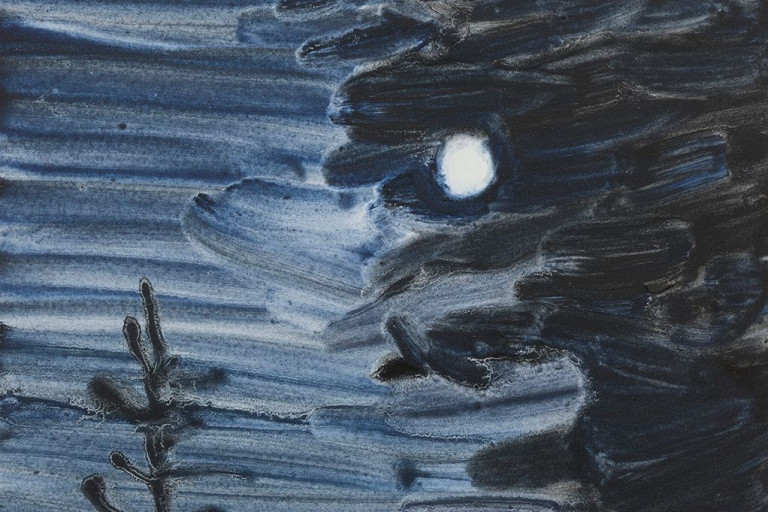
We’re delighted to present the second chapter of the joint project by Bombon, Galeria Joan Prats and NoguerasBlanchard, taking place in Fonteta, a small village in the Empordà region from June to September.
The exhibition, conceived in two chapters, brings together artists from three different generations. The proposal begins with a concept from the Empordà Parar la fresca (to take in fresh air) described by Josep Pla in the book Las Horas (The Hours), 1953.
Discover
We’re delighted to present a joint project by Bombon, Galeria Joan Prats and NoguerasBlanchard in Fonteta, a small village in the Empordà region from June to September.
The exhibition, conceived in two chapters (the first opening June 18th and the second August 7th) brings together artists from three different generations. The proposal begins with a concept from the Empordà Parar la fresca (to take in fresh air) described by Josep Pla in the book Las Horas (The Hours), 1953.
Discover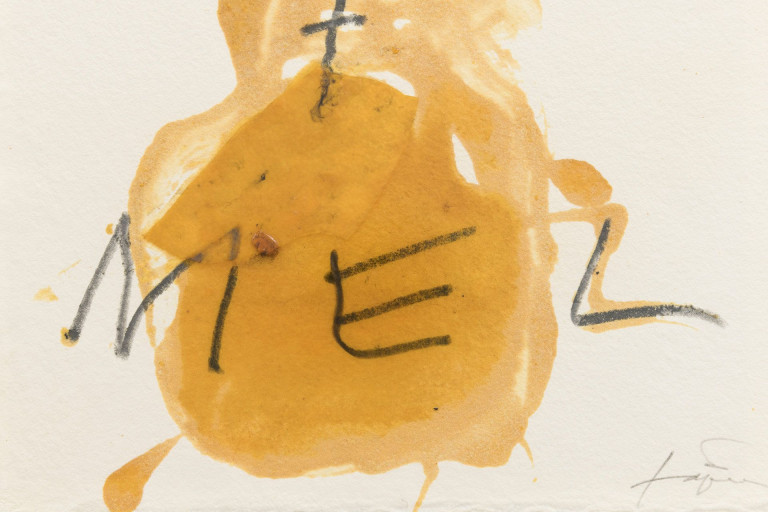
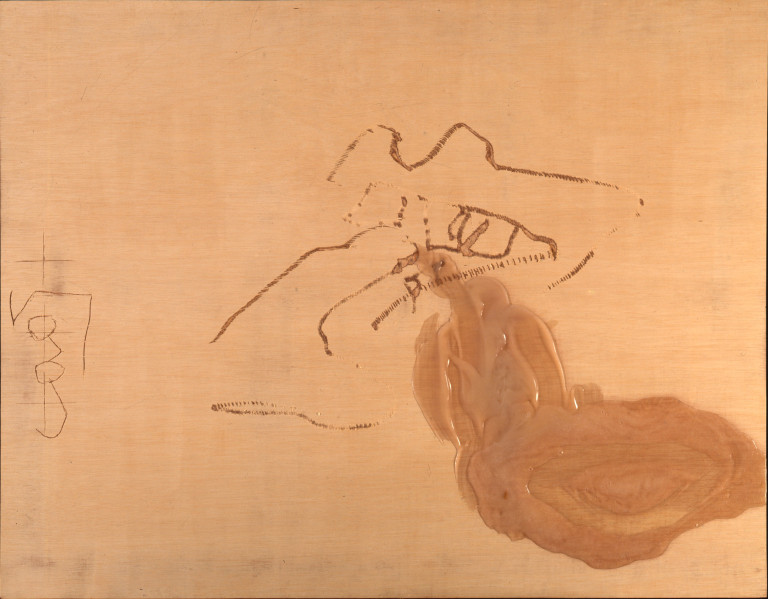
NoguerasBlanchard is pleased to present La mel, an exhibition by Antoni Tàpies featuring a series of unpublished works. Made in close collaboration with the estate of Antoni Tàpies, this exhibition seeks to offer an expanded reading of the significance of the artist’s recurrent use of a material as specific as varnish.
Discover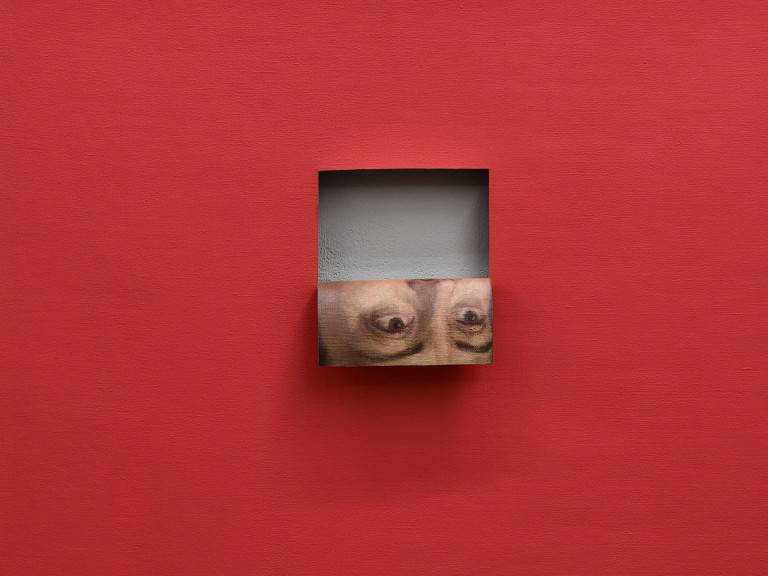
The works proposed in the exhibition relinquish painting’s classical condition and elaborate new narratives on the pictorial medium and its cosmologies.
Discover
Drag